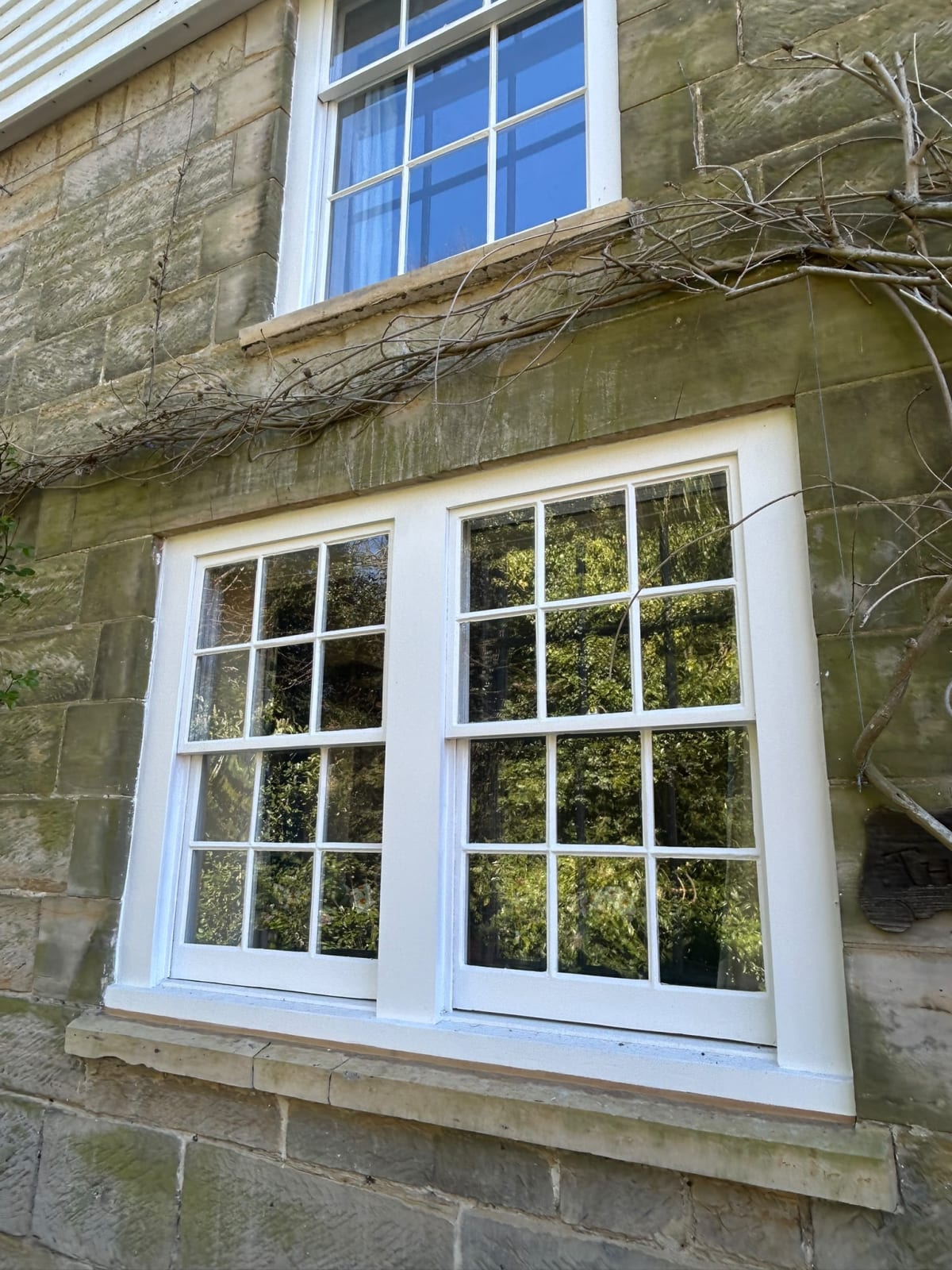
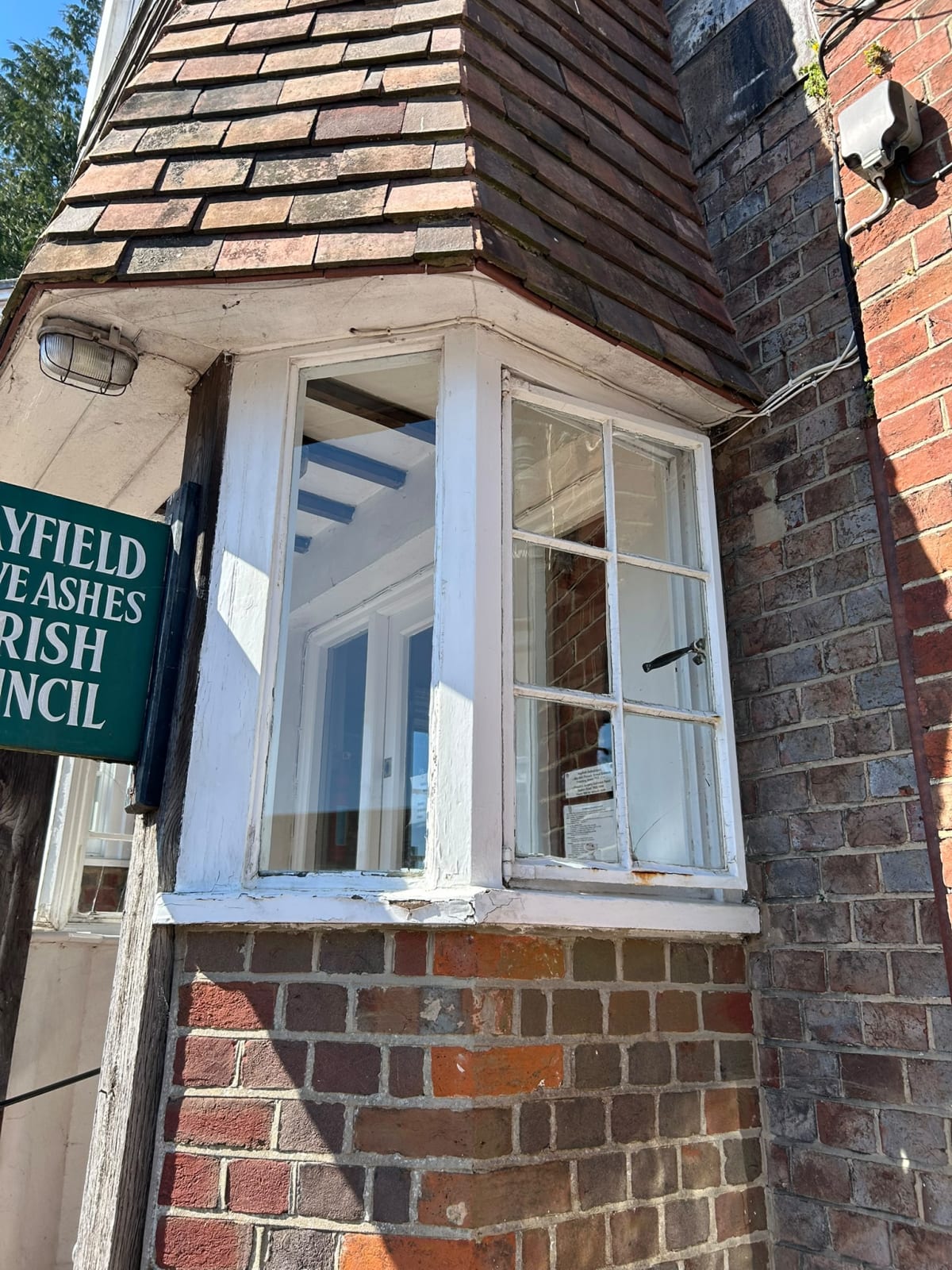
Why Weather Matters for Exterior Painting
Unlike interior painting, exterior painting is entirely at the mercy of the weather. For paint to adhere properly, dry smoothly, and cure to a durable finish, specific temperature and humidity conditions must be met. Applying paint in the wrong conditions can lead to premature peeling, bubbling, and cracking.
The Golden Window: April to October
In East Sussex and Kent, the ideal season for exterior painting runs from mid-spring to early autumn. Here is why:
- Consistent Temperatures: Most exterior paints require a consistent temperature of at least 10°C (both during application and curing). Spring and summer provide the warm, stable conditions needed.
- Low Humidity: High humidity or damp surfaces prevent paint from drying correctly. Dry summer days ensure that moisture is not trapped beneath the paint film.
- Longer Daylight Hours: More daylight allows painting teams to complete projects efficiently, ensuring multiple coats can be applied with proper drying times in between.
What to Avoid
We strongly advise against exterior painting during late autumn and winter. Cold temperatures (below 5°C) prevent the paint from forming a proper film, while high humidity and frost can ruin the finish before it has a chance to dry. If you are planning an exterior painting project, we recommend booking well in advance to secure a slot during the optimal dry months.